
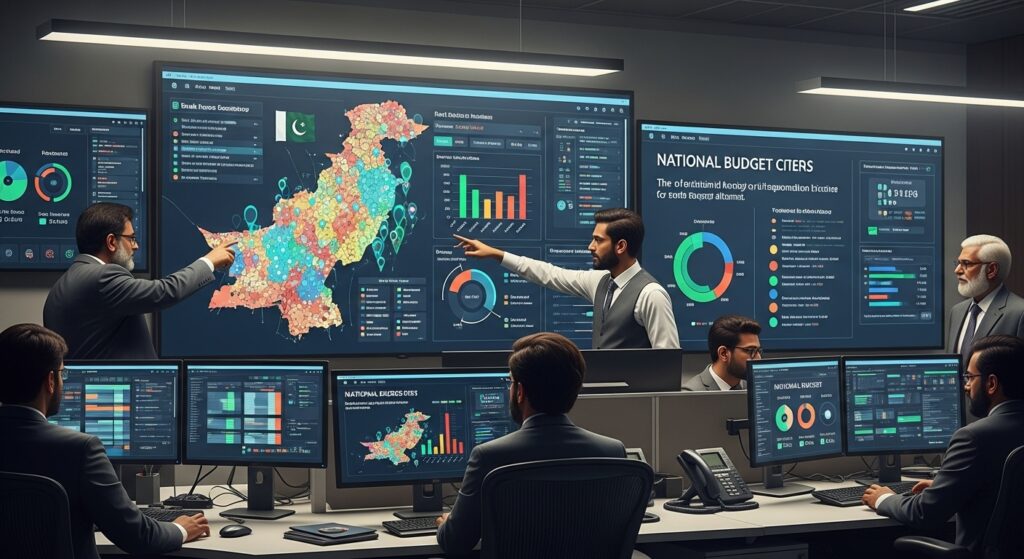
Role of Budget Transparency in Strengthening PFM in Pakistan
Transparent budgeting is a cornerstone of effective public financial management (PFM). In Pakistan, initiatives such as citizen budgets and online budget dashboards are transforming how governments communicate fiscal priorities, monitor expenditures, and involve citizens in the policy process. By making budget data accessible, provincial and federal governments enhance fiscal accountability, expenditure efficiency, and public trust.
Citizen Budgets: Enhancing Public Participation
Citizen budgets translate complex fiscal documents into simplified, understandable formats for the general public. They provide information on revenue sources, sectoral allocations, and development spending. By promoting awareness, citizen budgets empower citizens to monitor government performance, engage in fiscal debates, and hold decision-makers accountable. According to World Bank PFM assessments, provinces that produce regular citizen budgets show improved budget execution rates and better alignment of resources with development priorities.
Online Dashboards: Real-Time Fiscal Monitoring
Online budget dashboards complement citizen budgets by offering real-time data on fund releases, expenditures, and departmental allocations. Integrated with Treasury Single Accounts (TSA) and commitment control systems, dashboards allow finance departments, line ministries, and auditors to track spending efficiently. In Punjab and Khyber Pakhtunkhwa, such digital platforms have improved liquidity management, reduced idle balances, and strengthened fiscal discipline, according to provincial finance reports.
Impact on PFM Outcomes
Budget transparency through citizen budgets and dashboards directly enhances fiscal accountability, expenditure control, and governance quality. Transparent information reduces opportunities for mismanagement, supports evidence-based decision-making, and enables timely interventions to correct underperformance. Moreover, it aligns with Pakistan’s broader PFM reform agenda, including adherence to AGP audit recommendations and IMF/World Bank fiscal governance standards.
Recommendations for Strengthening Transparency
- Institutionalize citizen budgets across all provinces with regular updates.
- Expand online dashboards with interactive analytics and visualization tools.
- Link dashboards to expenditure tracking and audit follow-up mechanisms.
- Build capacity in finance departments for data analysis and reporting.
- Promote public outreach campaigns to encourage citizen engagement.
By prioritizing budget transparency, Pakistan can strengthen fiscal discipline, improve public service delivery, and foster a culture of accountability. Citizen-centric tools like simplified budgets and real-time dashboards are key levers in enhancing PFM effectiveness and ensuring that public resources achieve tangible development outcomes.
This article was published on publicfinance.pk.
FAQs:
- What is a citizen budget?
A citizen budget is a simplified version of government budget documents designed to help citizens understand fiscal priorities, allocations, and spending outcomes. - How do online dashboards improve PFM?
Dashboards provide real-time expenditure tracking, support liquidity management, and enhance transparency for decision-makers and auditors. - Why is budget transparency important for Pakistan?
It strengthens fiscal accountability, reduces mismanagement, supports evidence-based policymaking, and promotes public trust in government spending.
