
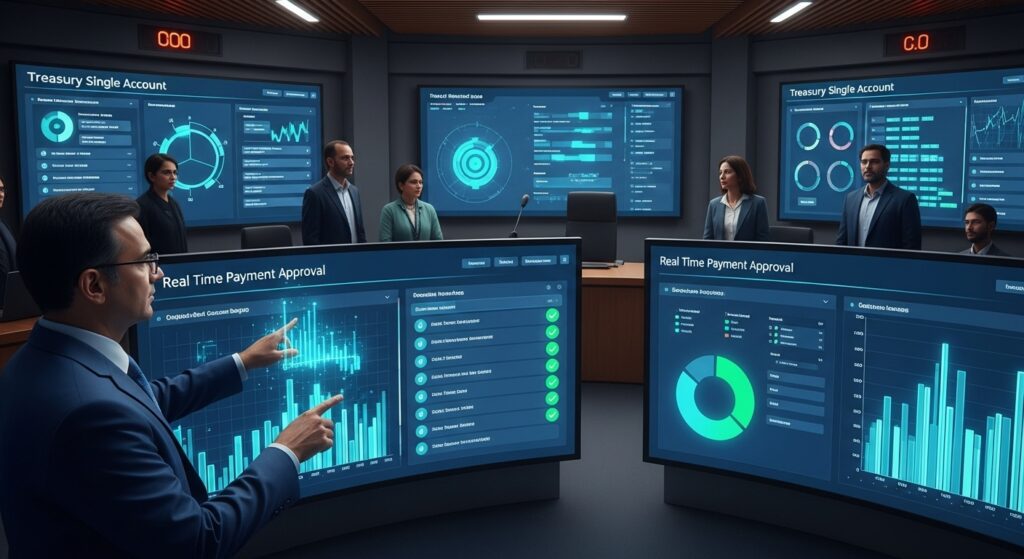
Provincial finance departments in Pakistan are implementing release and payment mechanism reforms in FY 2025–26 to improve budget execution, cash management, and transparency. These reforms aim to replace manual, ad-hoc processes with automated systems that ensure timely and predictable fund releases.
Why Reform Matters
Traditional release and payment processes in provinces often caused delays, idle balances, and poor budget credibility. World Bank PFM reports and provincial AG audits have highlighted these gaps, which constrained service delivery and undermined fiscal discipline. Modernizing these systems is critical for aligning fund flows with planned expenditures and enhancing overall fiscal governance.
Key Reforms in FY 2025–26
- Digital Budget Execution Platforms: Punjab and KP are automating quarterly releases linked to expenditure ceilings.
- Electronic Payment Authorization: Payments now record in real time, improving transparency and tracking.
- Treasury Single Account (TSA) Integration: Sindh and Balochistan are consolidating idle funds and enhancing cash flow control.
- Commitment Control Systems: These systems prevent unauthorized spending and reduce reliance on supplementary grants.
Expected Benefits
- Fiscal Discipline: Automated releases reduce discretionary approvals and improve budget adherence.
- Transparency: Dashboards allow real-time monitoring of expenditures, increasing accountability.
- Efficiency: TSA integration optimizes cash management and reduces unnecessary interest costs.
- Better Service Delivery: Timely fund releases support line departments in achieving development and operational objectives.
Challenges
- Uneven technological readiness across provinces.
- Staff capacity gaps in line departments.
- Coordination issues between AG offices and finance departments.
- Need for ongoing training and system auditing to ensure smooth implementation.
Recommendations
- Standardize automated quarterly release systems across all provinces.
- Expand TSA coverage to all public accounts for centralized cash management.
- Strengthen coordination between AG offices and finance departments for real-time reconciliation.
- Develop provincial cash forecasting tools using historical expenditure data.
- Invest in staff training to enhance ownership of digital PFM systems and improve compliance.
Conclusion
The FY 2025–26 reforms in provincial release and payment mechanisms represent a significant step toward fiscal discipline, transparency, and improved service delivery. Sustained institutional commitment, continuous capacity building, and interdepartmental coordination will be crucial for embedding these reforms and ensuring that public funds are utilized efficiently and effectively.
This article was published on publicfinance.pk.
FAQs
1. What are release and payment mechanism reforms?
They improve how provinces authorize, release, and disburse funds, ensuring timely, transparent, and accountable expenditure.
2. How do these reforms strengthen fiscal discipline?
Automation and real-time monitoring reduce discretionary approvals, idle funds, and leakages.
3. Which provinces are leading these reforms?
Punjab and KP lead with automated systems, while Sindh and Balochistan focus on TSA integration and digital fund releases.
